Ahead of the Call: How Professional Dispatchers Pre-Stage Tugs Before Pilots Ever Key the Mic
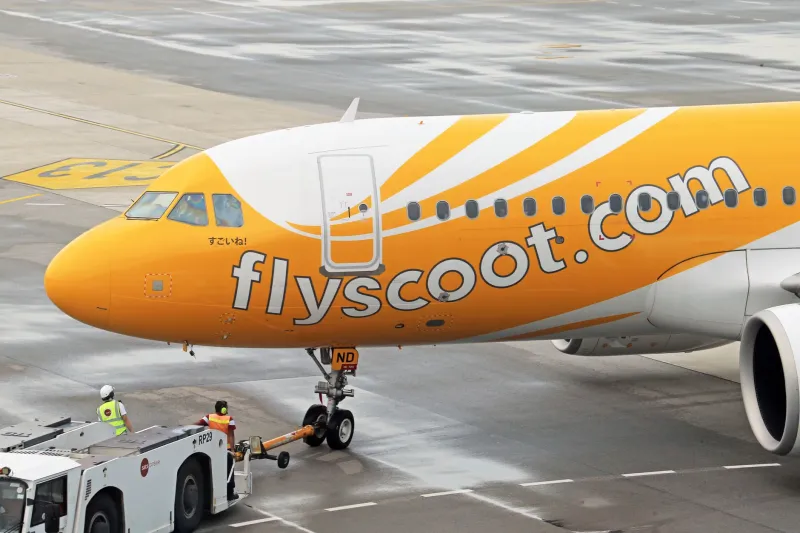
In a high-fidelity simulation environment, the moment a pilot requests pushback often feels like the true beginning of the departure sequence. The call goes out, the tug arrives, and the aircraft begins its backward arc toward the taxiway. Clean, logical, satisfying. What that sequence entirely omits, however, is the substantial operational machinery that should have been running for several minutes — sometimes considerably longer — before any radio transmission was ever made.
At major US hub airports, pushback is not a response. It is the conclusion of a prediction.
The Dispatch Clock Starts at the Gate, Not at the Runway
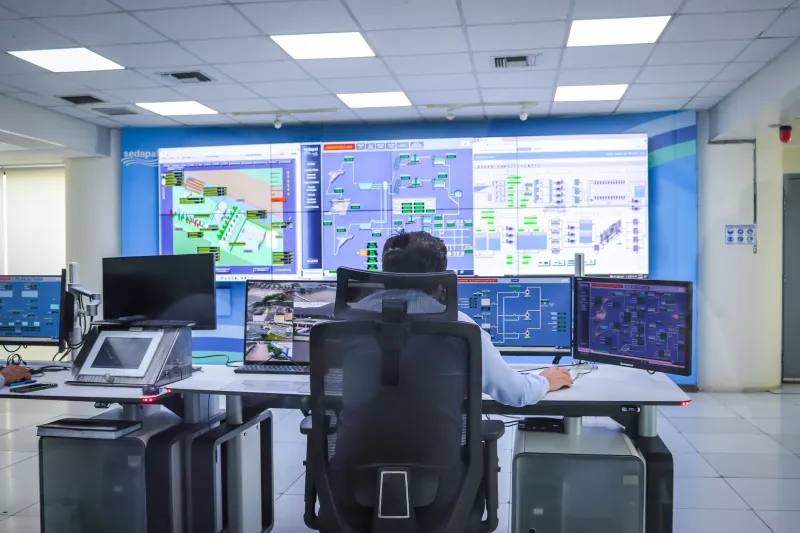
To understand why tugs appear before pilots ask for them, one must first appreciate how airline operations control centers — often called SOCs or OCC facilities — monitor inbound aircraft with a precision that extends well beyond simple arrival tracking. From the moment a flight departs its origin, the destination carrier's operations team is already calculating projected gate arrival time, anticipated turnaround duration, and the downstream departure window that must be protected.
This data flows continuously to ramp supervisors and ground service coordinators who are responsible for positioning equipment. At hub carriers such as American, United, and Delta, these coordinators work from digital ramp management platforms — systems like Sabre AirCentre Ground or proprietary airline tools — that display live aircraft positions, projected taxi times, and gate status in a single integrated view. When an inbound aircraft transitions from final approach to touchdown, the clock for its outbound pushback has, operationally speaking, already been running for some time.
The dispatcher or ramp lead assigned to a given concourse does not wait for the crew to settle in and complete their before-start checklist. Equipment staging decisions are made based on scheduled block times, historical turnaround performance for that specific aircraft type, and real-time inputs from gate agents and fueling crews. A narrowbody turn at a domestic hub might carry a target block-out time of 35 to 45 minutes after arrival. With that window established, the tug assignment is issued proactively — often 10 to 15 minutes before the scheduled departure time, well ahead of any crew request.
Communication Layers That Simmers Rarely Model
The coordination that enables predictive tug staging involves at least three distinct communication channels operating simultaneously, each carrying different information to different stakeholders.
The first is the airline's internal operations network, through which the SOC transmits real-time flight status updates to ground crews. When a flight is identified as running on schedule, early, or delayed, that information immediately adjusts equipment priorities across the entire concourse. A tug committed to Gate B14 may be redirected to B22 if a delay shifts the departure sequence.
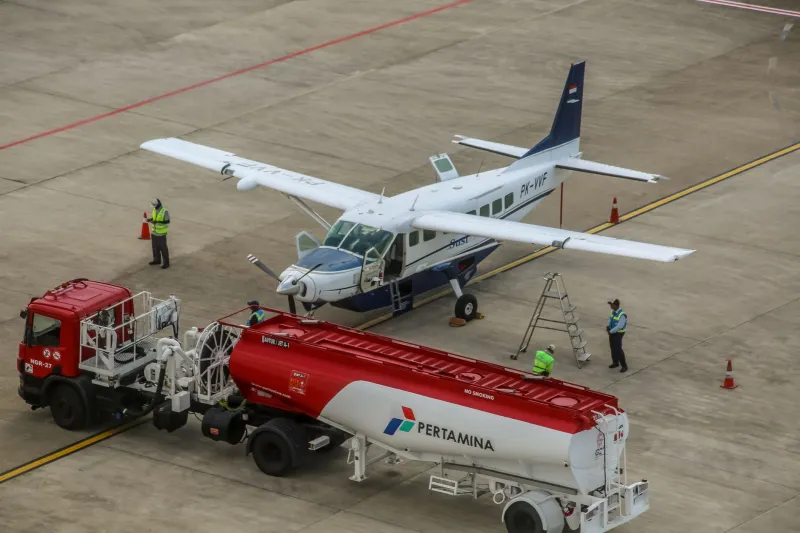
The second channel is the ground handler coordination loop. At airports where airlines contract third-party ground services — a common arrangement at spoke stations and even some hubs — the airline's station manager or ground operations supervisor must relay staging instructions to handler personnel who are managing their own equipment pools. This introduces an additional layer of timing negotiation that is rarely represented in simulation but profoundly affects real-world gate rhythm.
The third channel is the informal but operationally critical communication between the flight crew and the gate agent. Before a captain ever contacts ground control for pushback clearance, the gate agent has typically already confirmed with the ramp lead that the aircraft is ready for departure. Boarding completion, cargo door closure, and catering sign-off all feed into a readiness signal that authorizes equipment to move into position. The tug driver, in many cases, begins positioning the moment that internal readiness confirmation is received — not when the crew calls for it.
Hub Carrier Pre-Staging Logic
At the largest US hub operations, the sophistication of tug pre-staging reflects the sheer volume of concurrent departures that must be managed. At Chicago O'Hare, Dallas/Fort Worth, or Atlanta Hartsfield-Jackson, a single concourse may be pushing back a dozen or more aircraft within a 20-minute window during a peak departure bank. Reactive tug positioning under those conditions would introduce compounding delays that cascade through the entire network.
To manage this, hub carriers develop what operations teams informally refer to as departure bank choreography. Equipment assignments are planned at the concourse level before the bank begins, with tugs pre-positioned at gates where departures are scheduled earliest. Ramp supervisors walk or drive the concourse to verify that positioning aligns with the departure sequence, adjusting for any late gate changes or aircraft swaps that have occurred since the plan was generated.
This pre-staging logic also accounts for tug type. Wide-body aircraft require towbarless tractors or specific towbar configurations that differ from narrowbody equipment. A 777 departing from an international gate cannot be serviced by the same tug staged for a 737 operation, and mismatches — even minor ones — introduce delays that erode the entire bank's performance. Experienced ramp coordinators maintain mental and digital maps of which equipment is compatible with which aircraft types, and they make staging decisions accordingly without waiting for crew requests to surface the requirement.
Translating Predictive Operations Into Your Simulation
For simmers committed to authentic gate operations, the practical implication of this operational reality is significant. Treating pushback as a call-and-response transaction fundamentally misrepresents how professional ground operations function. A more accurate simulation workflow begins well before the departure checklist.
Consider structuring your gate operations around a self-imposed pre-departure timeline. Approximately 15 minutes before your scheduled block-out time, initiate your internal readiness sequence: confirm fueling complete, simulate cargo door closure, and issue a mental or logged readiness signal to your ramp team. At the 10-minute mark, treat the tug as already staged — because in real operations, it would be. Your pushback request to ground control becomes not the initiation of the process, but its formal conclusion.
Simmers using add-on tools such as GSX Pro or FS Ground Crew can align their equipment call timing with this predictive model, triggering tug arrival earlier in the turnaround sequence rather than at the moment of crew request. Pairing that adjustment with realistic ATC communication timing — accounting for the ground control queue at busy hub airports — produces a departure flow that more accurately reflects the operational tempo of a real airline turn.
The Operational Mindset Behind the Gate
What separates a high-performing ramp operation from a reactive one is not the quality of its equipment or the speed of individual workers. It is the degree to which every stakeholder in the departure sequence is operating from a shared, forward-looking picture of what is about to happen. The dispatcher who calls for the tug before the pilot asks for it is not demonstrating special knowledge — they are simply executing a system designed to treat time as a finite and carefully managed resource.
For the serious flight simmer, internalizing that mindset is what elevates gate operations from procedural checkbox completion to genuine operational fidelity. The gate is not a waiting area. It is the first act of a departure that has already been in motion for longer than most simulations ever acknowledge.