VDG SimDock Master the Gate. Own the Skies.

VDG SimDock

Master the Gate. Own the Skies.

Latest Articles

Ghost in the Ramp: Diagnosing Why Your Simulation Engine Refuses to Acknowledge a Completed Pushback
Technical Analysis

Ghost in the Ramp: Diagnosing Why Your Simulation Engine Refuses to Acknowledge a Completed Pushback

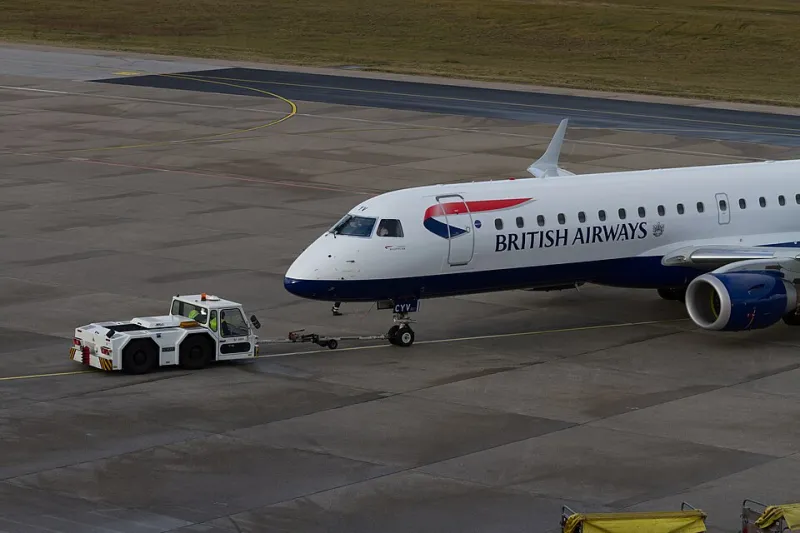
A completed pushback should mark the beginning of your taxi sequence, not the start of a cascading series of system errors. This technical analysis examines the state-monitoring logic failures that convince your aircraft it remains docked long after the tug has cleared the nose gear, and offers structured diagnostic approaches to restore clean gate departures.

Technical Analysis

Bridging the Gap: Why Jet Bridge Variability Exposes the Limits of Your Docking Technique

Most flight simulators model jet bridges as fixed, idealized equipment—yet in reality, every passenger boarding bridge across the United States carries its own mechanical history, dimensional quirks, and operational tolerances. Understanding that variability is not a simulation flaw but an authentic operational reality can fundamentally change how you approach the gate.

Good Enough Is Not a Failure: Rethinking the Obsession With Perfect Gate Alignment in Flight Simulation
Guides & Tutorials

Good Enough Is Not a Failure: Rethinking the Obsession With Perfect Gate Alignment in Flight Simulation

The flight simulation community has cultivated a culture of uncompromising precision around gate docking, but real-world ramp operations are built on tolerances, judgment calls, and human flexibility — not pixel-perfect contact. This article challenges simmers to reconsider whether chasing absolute accuracy is enhancing their experience or quietly eroding the enjoyment that drew them to gate operations in the first place. Understanding where real aviation draws the line may be the most liberatin

Technical Analysis

Assigned Nowhere: Understanding Why Gate Data and Visual Reality Diverge in Flight Simulation

Flight simulation scheduling systems frequently dispatch aircraft to gates that exist only as database entries, leaving simmers staring at an empty stretch of tarmac where a jet bridge should be. The gap between airport layout data and what a simulator actually renders is a persistent technical problem rooted in how developers source, interpret, and implement gate geometry. This analysis unpacks that infrastructure divide and equips you with the diagnostic tools to identify and resolve phantom g

Technical Analysis

Stuck at the Threshold: Diagnosing Nose Gear Misalignment and Reclaiming Perfect Jet Bridge Contact

Few moments in gate simulation are more frustrating than rolling to a complete stop only to discover your nose gear has missed its mark by several feet. This technical breakdown examines the layered causes behind jet bridge misalignment—from add-on aircraft configuration errors to simulation physics limitations—and delivers a structured diagnostic workflow for achieving repeatable, accurate positioning.

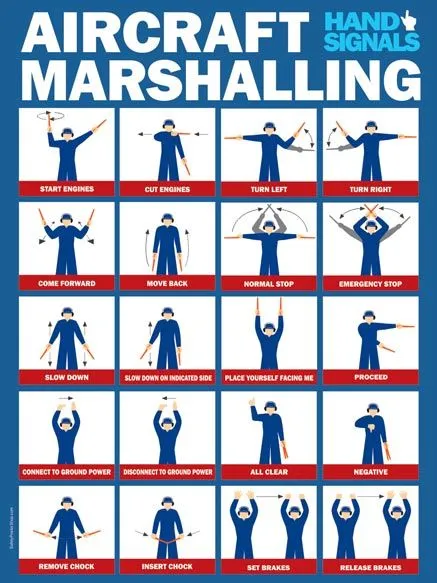
Hands in the Air: Decoding the Spatial Intelligence Behind Real-World Ramp Marshal Guidance
Guides & Tutorials

Hands in the Air: Decoding the Spatial Intelligence Behind Real-World Ramp Marshal Guidance

Real ramp marshals operate within margins measured in inches, guiding multi-million-dollar aircraft through gate environments that offer almost no room for error. This guide breaks down the spatial awareness techniques professionals use in confined ramp spaces and translates those skills into actionable methods for flight simulation pilots seeking authentic, collision-free gate docking.

Technical Analysis

Paved But Not Flat: How Apron Topology Quietly Destroys Your Final Gate Approach

The last twenty feet of a gate approach should be the easiest part of the docking sequence — yet for many simmers, it remains the most unpredictable. Subtle elevation changes, drainage slopes, and simulated surface degradation can introduce lateral drift that no amount of steering correction seems to fix. Understanding the physics behind apron topology transforms a frustrating mystery into a solvable engineering problem.

Loaded Wrong, Landed Crooked: How Weight and Balance Errors Corrupt the Final Gate Sequence
Technical Analysis

Loaded Wrong, Landed Crooked: How Weight and Balance Errors Corrupt the Final Gate Sequence

Incorrect center of gravity configurations are among the most overlooked sources of gate approach failure in flight simulation. This technical analysis examines how improper weight and balance settings produce lateral drift, inconsistent flare behavior, and docking misalignment that pilots routinely attribute to wind, scenery, or aircraft add-on bugs. Learn how to systematically audit your aircraft payload profiles and eliminate this hidden variable before it undermines your next approach.

Gate Refused: Unpacking the Hidden Compatibility Logic That Blocks Your Aircraft From Accepting an Assignment
Technical Analysis

Gate Refused: Unpacking the Hidden Compatibility Logic That Blocks Your Aircraft From Accepting an Assignment

Few moments in flight simulation are more frustrating than lining up a textbook approach only to discover your aircraft has silently rejected the gate assignment. Beneath that refusal lies an intricate web of weight thresholds, door geometry, ground equipment flags, and undocumented airline codes that mirror real-world ramp operations with surprising fidelity. This analysis breaks down every layer of that logic tree so you can diagnose conflicts, resolve them systematically, and dock with author

Centerline Ghost: Diagnosing the Subtle Forces That Pull Your Aircraft Off Course in the Final 50 Feet
Technical Analysis

Centerline Ghost: Diagnosing the Subtle Forces That Pull Your Aircraft Off Course in the Final 50 Feet

Lateral drift during the final 50 feet of a gate approach is one of the most frustrating and least understood phenomena in flight simulation. This technical analysis examines the aerodynamic modeling gaps, control sensitivity thresholds, and ground effect simulation deficiencies that conspire to pull even disciplined simmers off the centerline. A systematic calibration framework is included to help you achieve repeatable, precision docking.

Silent Tug Syndrome: Diagnosing and Resolving AI Pushback Failures in Flight Simulation
Guides & Tutorials

Silent Tug Syndrome: Diagnosing and Resolving AI Pushback Failures in Flight Simulation

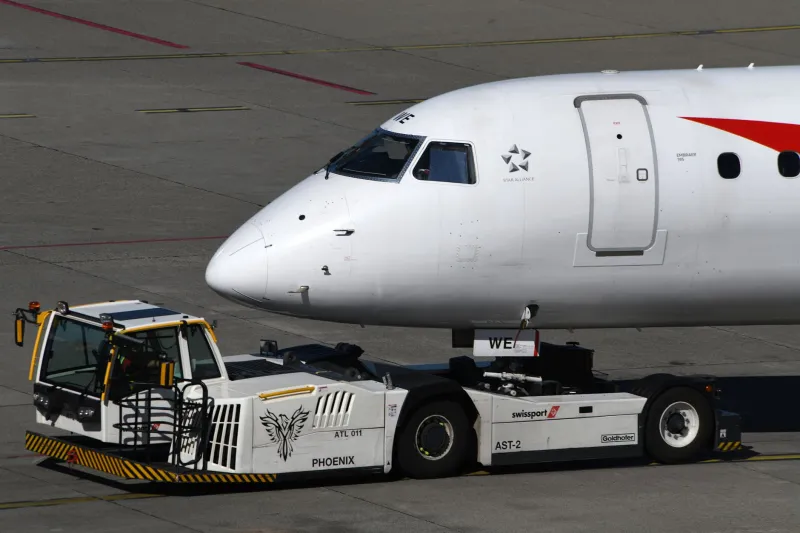
When your AI tug driver ignores pushback commands or behaves erratically on the ramp, the culprit is rarely obvious. This guide walks through a systematic diagnostic process to identify configuration errors, add-on conflicts, and hidden logic failures that sever communication between your aircraft and ground service AI.

Hemmed In: Surviving the Spatial Chaos of Dense Gate Clusters at America's Busiest Hub Airports
Guides & Tutorials

Hemmed In: Surviving the Spatial Chaos of Dense Gate Clusters at America's Busiest Hub Airports

When gates are stacked within feet of one another, a textbook-perfect approach can unravel in seconds. This guide breaks down the unique spatial, visual, and psychological demands of navigating congested terminal clusters at airports like ATL, ORD, and DFW — and shows you exactly how to adapt your technique before it costs you the dock.

Brake or Break: Diagnosing Parking Brake Logic Conflicts That Sabotage Final Gate Positioning
Technical Analysis

Brake or Break: Diagnosing Parking Brake Logic Conflicts That Sabotage Final Gate Positioning

Few failures in gate simulation are as maddening as a parking brake that refuses to cooperate at the worst possible moment. This technical breakdown examines why brake system logic conflicts occur across major sim platforms, how to identify them before they ruin your approach, and what systematic workarounds restore fidelity without sacrificing immersion.

Crooked Gates, Clean Docks: Mastering Asymmetrical Approach Geometry in Flight Simulation
Guides & Tutorials

Crooked Gates, Clean Docks: Mastering Asymmetrical Approach Geometry in Flight Simulation

Not every gate is a textbook rectangle, and the pilots who consistently nail their docking sequences know exactly how to read irregular geometry before the nose wheel ever crosses the lead-in line. This guide breaks down the precise control inputs, reference point strategies, and real-world procedural logic that transform off-center approaches into repeatable, professional-grade docks. If asymmetrical gates have been your nemesis, the framework you need starts here.

Vanishing Act: Diagnosing the Rendering Failures That Make Aircraft Disappear at the Gate
Technical Analysis

Vanishing Act: Diagnosing the Rendering Failures That Make Aircraft Disappear at the Gate

Few experiences in gate simulation are more disorienting than watching your aircraft clip through a jetway or simply vanish during the final meters of a docking sequence. This technical breakdown examines the underlying code conflicts, LOD transitions, and scenery injection errors responsible for these phantom disappearances, and provides actionable remedies for simmers running popular US airport addons.

Mirror Blindness: Understanding the Spatial and Aerodynamic Divide Between Port and Starboard Gate Approaches
Technical Analysis

Mirror Blindness: Understanding the Spatial and Aerodynamic Divide Between Port and Starboard Gate Approaches

Most simulator pilots assume that gate docking skill transfers symmetrically from one side of the aircraft to the other. It does not. This technical analysis examines the aerodynamic, perceptual, and procedural asymmetries that separate port-side approaches from starboard docks, and offers structured drills to close the competency gap.

Guides & Tutorials

Slow Is Smooth, Smooth Is Docked: Building a Pre-Approach Checklist That Survives High-Pressure Gate Operations

Rushed gate approaches are the single most common cause of failed docking attempts, yet most simmers never diagnose the real reason they occur. This guide breaks down the psychology of pressure-driven mistakes and delivers a structured pre-docking checklist designed to hold up when conditions deteriorate. Build the habit before you need it.

Technical Analysis

Ice, Fog, and the Gate: A Comprehensive Guide to Simulating Authentic Winter Operations at US Hub Airports

Cold-weather operations represent one of the most technically demanding and procedurally complex scenarios in gate simulation, yet most platforms ship with winter capabilities that go largely unconfigured. This analysis examines real-world de-icing protocols, contaminated surface procedures, and visibility constraints as they apply to gate positioning and turnaround management at major US hubs. Configure your simulator correctly, and winter becomes your most instructive season.

Technical Analysis

Ground Level Realism: Comparing 2024's Top Ground Service Equipment Mods for US Airport Simulation

The authenticity of a gate simulation experience depends as much on what surrounds the aircraft as on the aircraft itself. In 2024, a new generation of ground service equipment add-ons has raised the standard for ramp immersion dramatically, bringing detailed tug variants, accurate ground power units, and US-specific airport infrastructure to simulators running on consumer hardware. This technical review evaluates the leading options across performance cost, visual fidelity, and real-world accur

Guides & Tutorials

Think Before You Throttle: The Mental Discipline Behind Consistent Gate Precision

Elite gate simmers do not simply react to the runway—they construct an approach in their minds long before the aircraft crosses the outer marker. This guide examines the cognitive frameworks, deliberate practice strategies, and mindset shifts that transform inconsistent landings into repeatable, professional-grade gate alignments. If you have ever wondered why some pilots always nail the docking sequence while others perpetually overcorrect, the answer begins well above the glideslope.