No Room at the Gate: Mastering the Triage Decisions That Define Overcapacity Operations
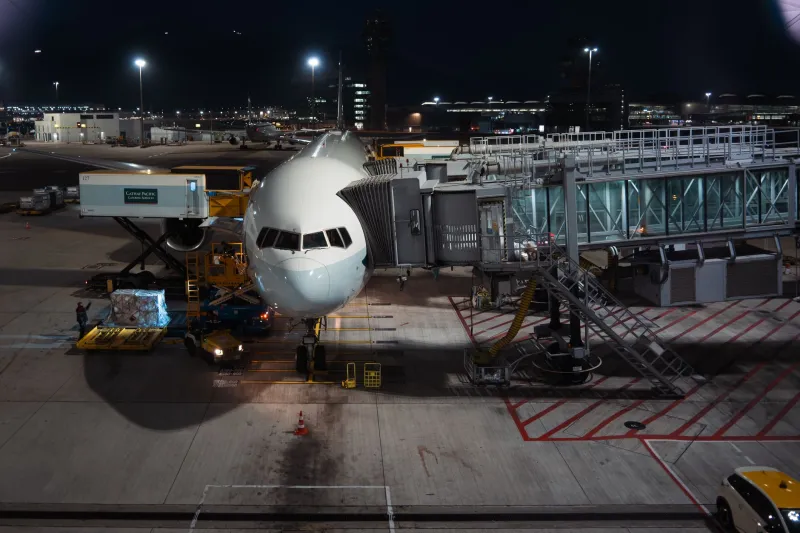
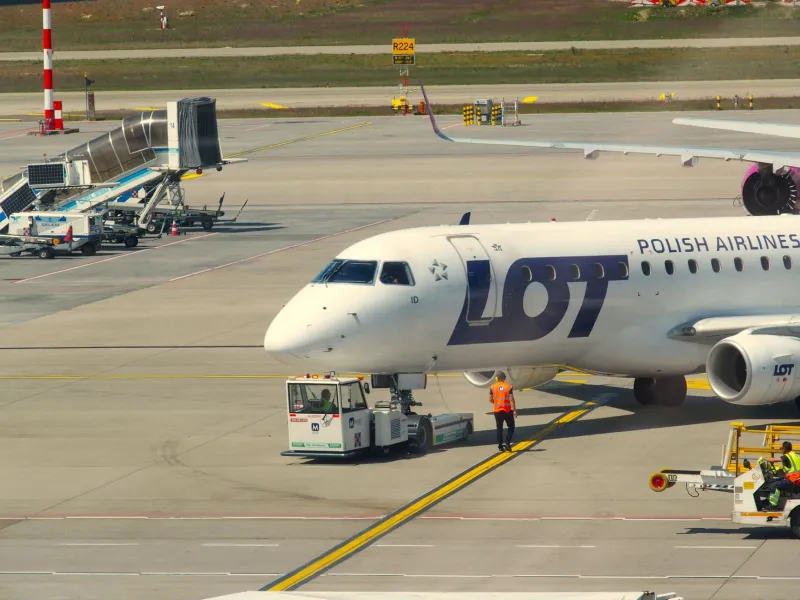
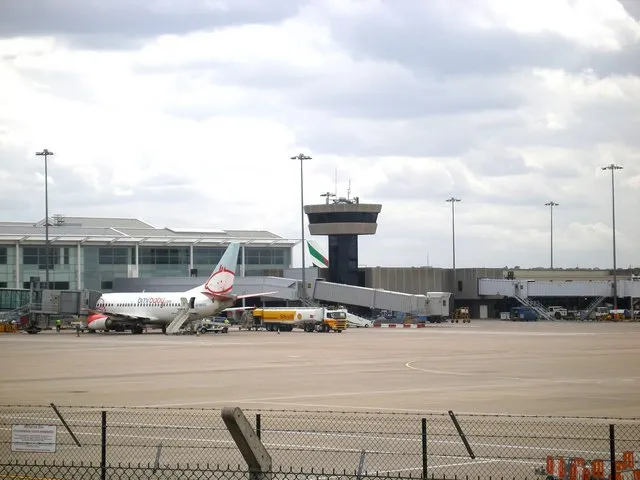
At 11:47 PM on a Friday at Chicago O'Hare, six aircraft are inbound. Four gates are available. Two of those gates belong to a different airline. Weather has compressed an evening bank that should have been staggered across ninety minutes into a forty-minute arrival surge. Somewhere in the Operations Control Center, a dispatcher is making decisions in real time that will determine which passengers make connections, which crews stay legal, and which aircraft get pushed to a remote stand a quarter mile from the terminal.
This is the scenario most flight simmers never encounter—not because their simulation software cannot replicate it, but because they are almost always seated in the cockpit, watching the problem from the wrong angle. The gate assignment crisis is an operations management challenge, and the simmers who can navigate it authentically are those who have internalized the decision-making hierarchy that real airline dispatchers and station managers apply under genuine overcapacity conditions.
The Priority Stack: How Real Dispatchers Rank Competing Demands
When gates are scarce, not all flights are equal. Real-world airline operations centers apply a priority framework that is partly codified in internal policy and partly built from operational experience. Understanding that framework is the first requirement for simulating overcapacity scenarios with any fidelity.
International Arrivals and Customs Processing
At US airports with international terminals—JFK, LAX, Miami International, Chicago O'Hare, Dallas/Fort Worth—international arrivals carry the highest gate priority in most overcapacity scenarios. The reason is not passenger comfort. It is Customs and Border Protection logistics. An international flight held on the ramp without a gate creates a CBP processing bottleneck that cannot be resolved by remote busing in the way a domestic delay can. International arrivals, particularly those from long-haul routes, go to the gate first.
Crew Rest Compliance and Duty Time
Federal Aviation Regulations Part 117 governs flight crew rest requirements with legal precision. When a crew is approaching the end of their permissible duty period, the airline's obligation to provide rest facilities is not optional. A flight whose crew is within one hour of their duty-time limit carries gate priority over a flight whose crew has four hours of legal duty time remaining. Dispatchers track this continuously, and so should serious simmers managing multi-aircraft overcapacity scenarios.
Connection Passengers and Minimum Connect Times
Airlines publish Minimum Connection Times (MCTs) for each airport—the shortest interval between an arriving and departing flight that the airline considers operationally viable. At a hub like Atlanta Hartsfield-Jackson, Delta's domestic MCT is typically forty-five minutes. When an arriving flight carries passengers connecting to a departure that is already boarding, that arriving flight gains gate priority because the connection value—measured in revenue, passenger goodwill, and potential rebooking costs—outweighs the cost of delaying a non-connecting flight.
Aircraft Utilization and Next-Leg Demand
An aircraft sitting at a remote stand cannot board its next departure efficiently. If the aircraft in question is scheduled for a high-load morning bank—common at US hub airports where the first departures of the day carry premium business travelers—the cost of remote stand assignment compounds across multiple subsequent flights. Dispatchers weigh the next-leg utilization value of each inbound aircraft when allocating scarce gate resources.
The Remote Stand Decision: Not a Failure, a Tool
A significant portion of simmers treat remote stand assignment as a failure state—evidence that something went wrong. Real operations managers treat it as a managed outcome, distinct from but not inferior to gate parking in the right circumstances.
US airports with meaningful remote stand infrastructure—Miami International, JFK Terminal 4, LAX's Tom Bradley International Terminal overflow areas—routinely bus passengers from remote stands to terminals without material impact on customer satisfaction metrics for non-connecting traffic. A leisure traveler on a Florida vacation charter has a fundamentally different tolerance for a short bus ride than a connecting business traveler on a transcon itinerary.
When simulating overcapacity scenarios, resist the instinct to treat remote stand assignment as a problem to be avoided. Treat it as a resource to be deployed strategically. Which flights can absorb the delay and inconvenience? Which cannot? That distinction is the core of the triage decision.
Gate Borrowing and Inter-Airline Coordination
At major US hub airports, gate leasing agreements between airlines create a secondary market for gate access during capacity events. A United flight arriving at O'Hare during a gate crunch may be directed to an American gate under a reciprocal use agreement, particularly during weather events that create system-wide compression. These arrangements are formalized in inter-airline ground handling agreements and are coordinated through the airport authority's operations center.
For simmers managing multi-airline environments using tools like Traffic Global, AIG Traffic Controller, or World Traffic 3, this dynamic is replicable. Designating a subset of gates as available for cross-airline use during declared capacity events adds a layer of operational authenticity that transforms a static gate assignment problem into a dynamic resource management challenge.
Fuel and Positioning Considerations
Aircraft held at remote stands with engines running—or requiring additional tug movements to reach gates—consume fuel at rates that compound across a capacity event. Real dispatchers factor fuel burn during ground delays into their gate allocation decisions, particularly for narrowbody aircraft with tighter fuel margins.
For simmers tracking fuel states across multiple aircraft, a remote stand assignment that adds twenty minutes of APU operation and two additional tug movements has a quantifiable fuel cost. That cost is part of the triage calculus, not an afterthought.
Simulating the Standoff: Practical Recommendations
To build genuine competence in overcapacity decision-making, structure your simulation sessions around deliberate capacity events rather than waiting for them to emerge organically.
Begin by loading a peak-hour traffic scenario at a US hub—Atlanta, Denver, Dallas/Fort Worth, or Charlotte Douglas are particularly useful given their bank-structured schedules. Deliberately assign one-third of your available gates to maintenance holds or extended turn times before the arrival bank begins. Then manage the incoming traffic against reduced capacity using the priority framework outlined above.
Document your decisions. Which flights got gates? Which went to remote stands? Which were delayed on the taxiway? After the session, compare your allocation against what a real airline operations center would likely have done, using published MCT data, Part 117 duty time tables, and publicly available load factor information for the routes in question.
The gap between your decisions and the real-world benchmark is your training margin. Close it over successive sessions.
The Dispatcher's Lens
Flight simulation has always rewarded those who invest in understanding the full operational context of every procedure they execute. The overcapacity gate scenario is the purest expression of that principle—a problem with no cockpit solution, no checklist resolution, and no autopilot. It requires judgment, prioritization, and the willingness to accept that sometimes the best outcome available is not a good outcome, only the least damaging one.
At VDG SimDock, we believe that mastering the gate means mastering every dimension of gate operations—including the moments when there are no gates left to master. Own the decision. Own the standoff.