Mid-Turn Reassignment: Rebuilding a Gate Sequence After Dispatch Moves the Flight
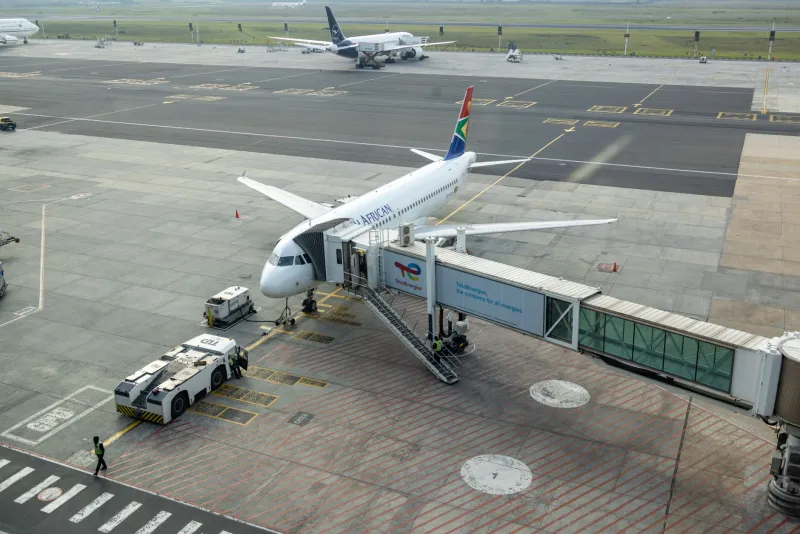
Photo: Stimpy, CC BY-SA 4.0, via Wikimedia Commons
At a busy US hub, a gate change during an active turn is not a menu selection. It is a small operational emergency conducted in public. The aircraft is already on the stand, the jetbridge is connected or nearly so, bags are moving, fuel may be flowing, and the next aircraft is already penciled into the sequence. When dispatch moves the flight, the simulator must rebuild the turn from the middle outward.
The Scenario: A Turn Already in Motion
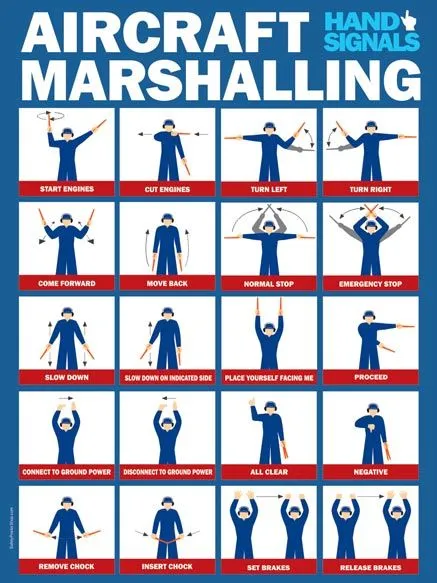
Consider a narrow-body arrival at a densely used terminal, comparable to Charlotte Douglas or a constrained bank at Newark. The aircraft has entered the stand and stopped. The marshaller has cleared chocks. The jetbridge is moving toward the forward door. The bag tractor is staged. The fuel truck is waiting for a lane. Then dispatch advises that the assigned gate must change because of a maintenance issue, a blocked alley, or a late wide-body that needs the stand.
The first mistake is treating the reassignment as a simple location swap. The second is panicking and moving everything at once. A realistic recovery starts by freezing nonessential movement, confirming the new stand's suitability, and rebuilding the sequence in the order the operation actually depends on.
What Actually Moves When the Gate Moves
A gate change touches more than the aircraft's parking position. The jetbridge at the old stand must be retracted and secured. The new stand must be checked for aircraft type, wingspan, service-road access, and jetbridge compatibility. Bag flow has to reverse or reroute. Fuel and catering may need new staging positions. Crew routing changes, especially if the new gate is in a different concourse. The next aircraft's plan may need to absorb a delay or shift to another stand.
In simulation, these dependencies are often invisible until they fail. A jetbridge that cannot reach the new stand, a bag cart path that crosses an active taxiway, or a fuel truck that cannot access the service road will each produce a different kind of session collapse. The recovery checklist exists to expose those failures in a controlled order.
The First Five Minutes: Freeze, Confirm, Sequence
Freeze means stop the turn's forward motion. Do not push, do not board, do not release equipment until the new plan is confirmed. Confirm means verify the new stand against the aircraft and the current traffic situation. Sequence means decide what must happen first, what can wait, and what must be canceled.
A practical sequence is: secure the old stand, validate the new stand, reposition the aircraft, reconnect services, then restore the schedule. That order is not universal, but it prevents the common error of moving the aircraft before the new stand is ready.
Rebuilding the Turn: A Recovery Checklist
- Confirm the reassignment in writing. Treat the new gate as unverified until aircraft type, wingspan, and jetbridge compatibility are checked.
- Secure the old stand. Retract and lock the jetbridge, clear ground equipment from the stand envelope, and confirm the aircraft is safe to move.
- Audit the new stand. Check lead-in line, stop point, jetbridge reach, service-road access, and nearby obstructions. At night, apply the same lighting audit you would use for any low-light stand entry.
- Replan the aircraft movement. Decide whether the aircraft will taxi under its own power, be towed, or be repositioned by a tug. Confirm the route and the required clearances.
- Reroute bags and equipment. Identify which carts, tugs, and fuel trucks must move and which can be released. Avoid creating a second bottleneck at the new stand.
- Rebuild the passenger flow. Confirm the jetbridge operator, gate agent, and boarding status. If passengers have already deplaned, protect the return path.
- Reconcile the next aircraft. Determine whether the following arrival can still use its assigned stand or needs a new plan.
- Record the delay and the cause. A debrief is part of the operation, not an afterthought.
Protecting the Next Aircraft
A mid-turn gate change rarely affects only one flight. The next aircraft may already be taxiing, and its crew may be expecting the stand you just vacated or the stand you now need. The dispatcher's job is to protect the sequence, not just the current turn. In simulation, that means checking the traffic board before moving anything. If the new stand is adjacent to an active alley, the reposition may block another arrival. If the old stand is needed immediately, the vacating aircraft must clear it before the next one enters.
The most realistic sessions treat the gate change as a constraint problem. The question is not only where the aircraft can park, but what else must move to make that parking possible.
Debriefing the Gate Change
After the turn is rebuilt, review what failed. Did the new stand have a hidden dimension error? Did the jetbridge require an unrealistic angle? Did the bag route cross a vehicle road? Did the aircraft's lighting make the new lead-in line unreadable? These findings are more valuable than a successful screenshot. They tell you which parts of your simulation are robust and which are held together by assumptions.
VDG SimDock's approach is to rehearse disruption, not just routine. A gate change during an active turn is a stress test for the entire ground system. Recover it in order, protect the next aircraft, and the session survives. Recover it by intuition alone, and the whole terminal sequence can unravel.