When the Ramp Goes Wrong: 10 High-Fidelity Operational Failures Every Gate Simmer Should Experience
The approach was clean. The touchdown was textbook. The taxi in was uneventful. And then, twenty feet from the gate, everything stopped working correctly.
For most simmers, the gate is where the session ends. For the operationally serious VDG SimDock community, the gate is where the real work begins — and occasionally, where the real chaos unfolds. The following ten failure scenarios are drawn from documented real-world ramp incidents and operational disruptions at US commercial airports. Each one is reproducible in simulation, each one demands a structured recovery response, and each one will fundamentally change how you think about the gate environment.
1. Nose Gear Steering Failure on Final Taxi
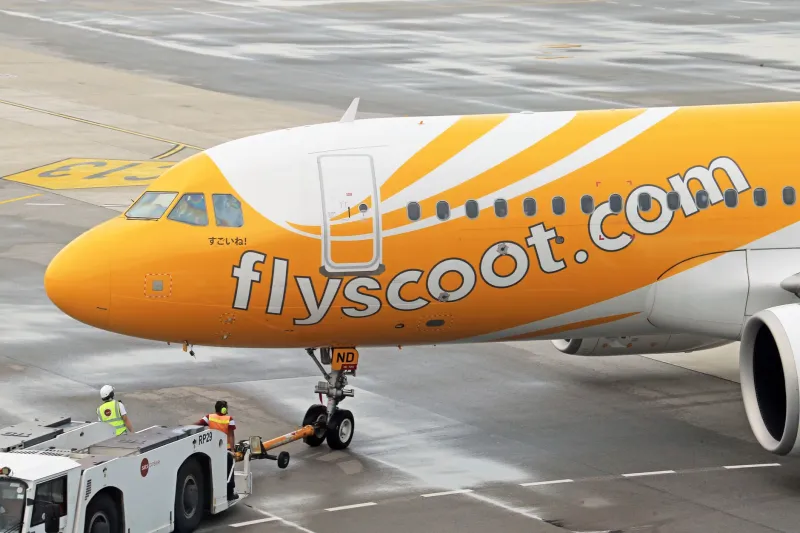
The Scenario: Hydraulic pressure loss or a steering system fault renders the nose gear unresponsive during the final segment of taxi-in. The aircraft is mobile but cannot turn accurately toward the gate centerline.
Recovery Procedure: In real operations, the crew would declare a ground emergency and request tug assistance for a controlled push or tow to the gate. Differential thrust and asymmetric braking can provide limited directional control on wide taxiways but are inappropriate near ramp personnel.
Simulation Application: In MSFS 2020 or X-Plane 12, hydraulic failure can be induced through the failures menu. Attempt to taxi the final 500 feet using differential thrust only. This exercise builds genuine appreciation for how dependent normal taxi operations are on nose gear steering authority.
Multiplayer Angle: Assign a second participant to the virtual tug role using GSX Pro or JetWay. The coordinated tow-in procedure, including wing walker communication, becomes a collaborative exercise rather than a solo recovery.
2. Jetway Misalignment and Door Seal Failure
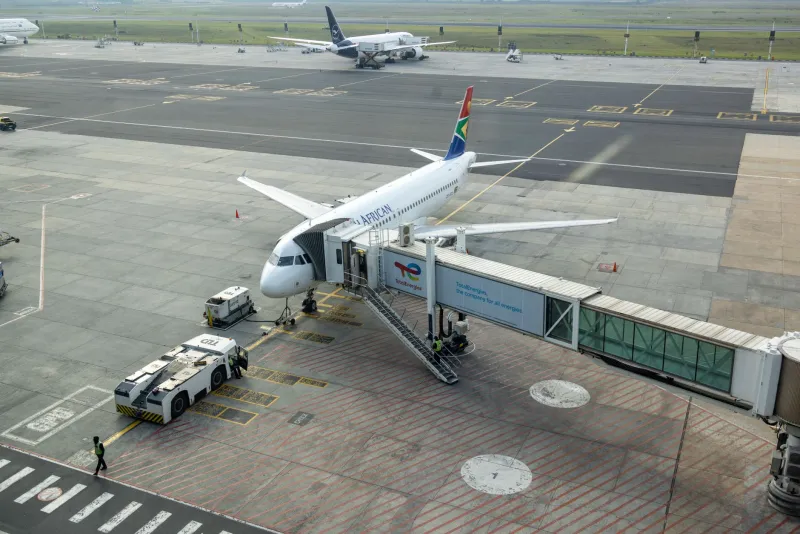
The Scenario: The passenger boarding bridge extends and contacts the aircraft fuselage, but the door seal does not seat correctly. Boarding cannot commence until the bridge is repositioned.
Recovery Procedure: Ramp supervisors must retract the jetway, verify the aircraft parking position against the Visual Docking Guidance System (VDGS) reference, and re-extend. This can add fifteen to twenty minutes to a turnaround at a hub airport.
Simulation Application: Using World2XPlane or the Jetway Manager plugin for X-Plane, deliberately park two to three feet off the VDGS centerline and observe the resulting misalignment. Then practice the correction sequence: chocks, repositioning, re-docking.
Recommended Add-On: GSX Level 2 for MSFS includes animated jetway behavior that responds to parking position accuracy, making this scenario highly reproducible.
3. Ground Power Unit (GPU) Failure at Gate Connect
The Scenario: The external power unit fails to deliver stable voltage at the moment of APU shutdown, leaving the aircraft without external power during the turnaround.
Recovery Procedure: The crew must restart the APU while maintenance locates an alternate GPU cart. Gate turnaround timelines collapse under this scenario, particularly during summer peak operations when GPU demand across the ramp is at maximum.
Simulation Application: Simulate APU-only operations for an extended ground period while manually tracking fuel burn against your turnaround timeline. This exercise underscores the operational cost of equipment failures that never appear in the cockpit failure menu.
4. Catering Truck Conflict and Ramp Incursion
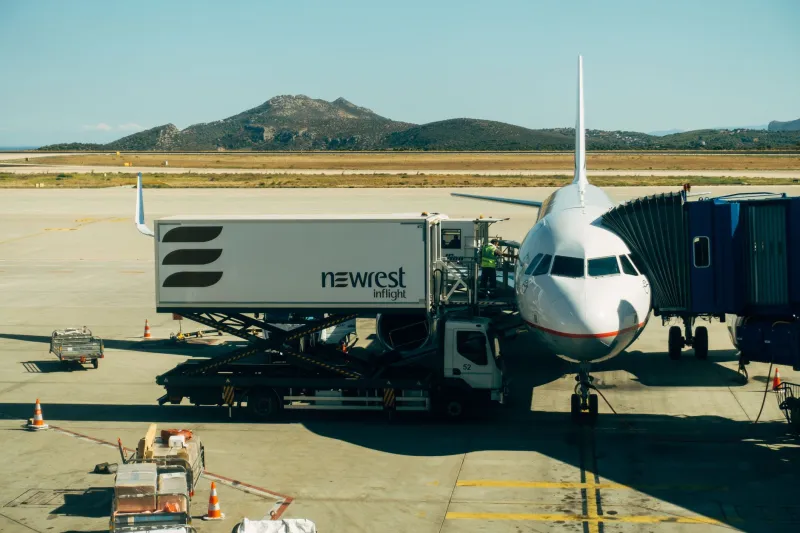
The Scenario: A catering vehicle from a contracted airline service provider parks in the pushback path, delaying departure by blocking the tug's approach angle.
Recovery Procedure: Ground supervisors must coordinate with the catering company's ramp lead to reposition the vehicle. At airports such as LAX or JFK, where multiple service contractors share tight ramp space, these conflicts are a documented source of departure delays.
Multiplayer Angle: In a multiplayer session, designate one participant as the catering supervisor with a defined vehicle position on the ramp diagram. Negotiating the repositioning sequence adds authentic inter-agency communication to the scenario.
5. Tug Pintle Hook Failure During Pushback
The Scenario: The towbar disconnects from the tug's pintle hook mid-pushback, leaving the aircraft stationary in the pushback path with no tow capability.
Recovery Procedure: The crew must set the parking brake immediately. A second tug must be dispatched, and the ground crew must reattach the towbar under controlled conditions. This scenario is covered in detail in our previously published pushback troubleshooting guide.
Simulation Application: Using the pushback failure triggers in Toolbar Pushback (MSFS), induce a mid-push disconnect and practice the brake-set, crew communication, and secondary tug request sequence.
6. VDGS System Offline at an Active Gate
The Scenario: The Visual Docking Guidance System — the electronic display unit that provides stop/distance cues to inbound flight crews — goes offline mid-approach. The crew must dock using wing walkers and hand signals only.
Recovery Procedure: Wing walkers take positions at the wingtips and nose, providing standardized hand signal guidance per IATA AHM 610 procedures. The crew relies entirely on visual cues from the ground team.
Simulation Application: Disable any VDGS overlay in your add-on and complete the dock-in using only the ground crew animations provided by GSX or similar tools. The absence of electronic guidance is immediately disorienting and instructive.
7. Fuel Truck Overfill and Emergency Defuel Requirement
The Scenario: A fueling agent loads excess fuel due to a weight-and-balance calculation error, requiring a partial defuel before departure can be authorized.
Recovery Procedure: The crew coordinates with the dispatcher to recalculate the load sheet. A defuel request is submitted to the fueling contractor. At a major hub, this process can require forty-five minutes or more.
Simulation Application: Using SimBrief or a manual load sheet, deliberately calculate an overweight departure scenario and work backward through the defuel math. Track the time cost against your scheduled block departure.
8. Inoperative Airstairs at a Remote Stand
The Scenario: At a remote gate or international transit stand, the mobile airstairs unit fails to extend to the correct door height. Passenger boarding is halted.
Recovery Procedure: A replacement airstairs vehicle must be dispatched from the equipment pool. At smaller US regional airports, a second unit may not be immediately available.
Multiplayer Angle: Assign the equipment dispatch role to a second participant. Realistic equipment pool constraints — one airstairs unit available, currently in use at another stand — add genuine resource management tension to the scenario.
9. Brake Temperature Warning After Landing Roll
The Scenario: Brake temperature monitors indicate an overheat condition following a high-energy landing or extended use of brakes during taxi. The aircraft must hold on the taxiway until temperatures fall within safe limits.
Recovery Procedure: The crew requests a hold position from ground control and monitors brake temperature via the ECAM or systems display. In real operations, this can result in a fifteen- to thirty-minute taxiway hold, impacting inbound gate sequencing.
Simulation Application: In aircraft with modeled brake temperature systems — the FlyByWire A32NX and the PMDG 737 both include this — induce the condition through aggressive braking on landing and practice the ground hold communication with VATSIM ground control.
10. Gate Conflict: Inbound Aircraft, Occupied Gate
The Scenario: The assigned gate is still occupied by a delayed outbound aircraft when the inbound flight arrives. The crew must hold on the taxiway or accept a gate reassignment.
Recovery Procedure: Ground control coordinates with the airline's operations center to identify an alternate gate. The inbound crew updates the cabin crew and passengers. Connecting passengers may miss downstream flights.
Simulation Application: Build this scenario deliberately into a custom airport session by scheduling two aircraft for the same gate within a tight time window. The routing, communication, and reassignment sequence that follows is one of the most authentically frustrating — and rewarding — exercises in gate operations simulation.
Building Failure Into Your Workflow
The value of these scenarios lies not in the failures themselves but in the structured response they demand. Real ramp operations are defined by how quickly and professionally teams recover from the unexpected. By incorporating these ten failure modes into your simulation practice, you build the procedural fluency that separates a capable gate operator from one who simply parks airplanes.
At VDG SimDock, mastering the gate means mastering what happens when the gate does not cooperate.