Frozen Ramp: A Simmer's Complete Guide to Winter Gate Operations at US Hub Airports
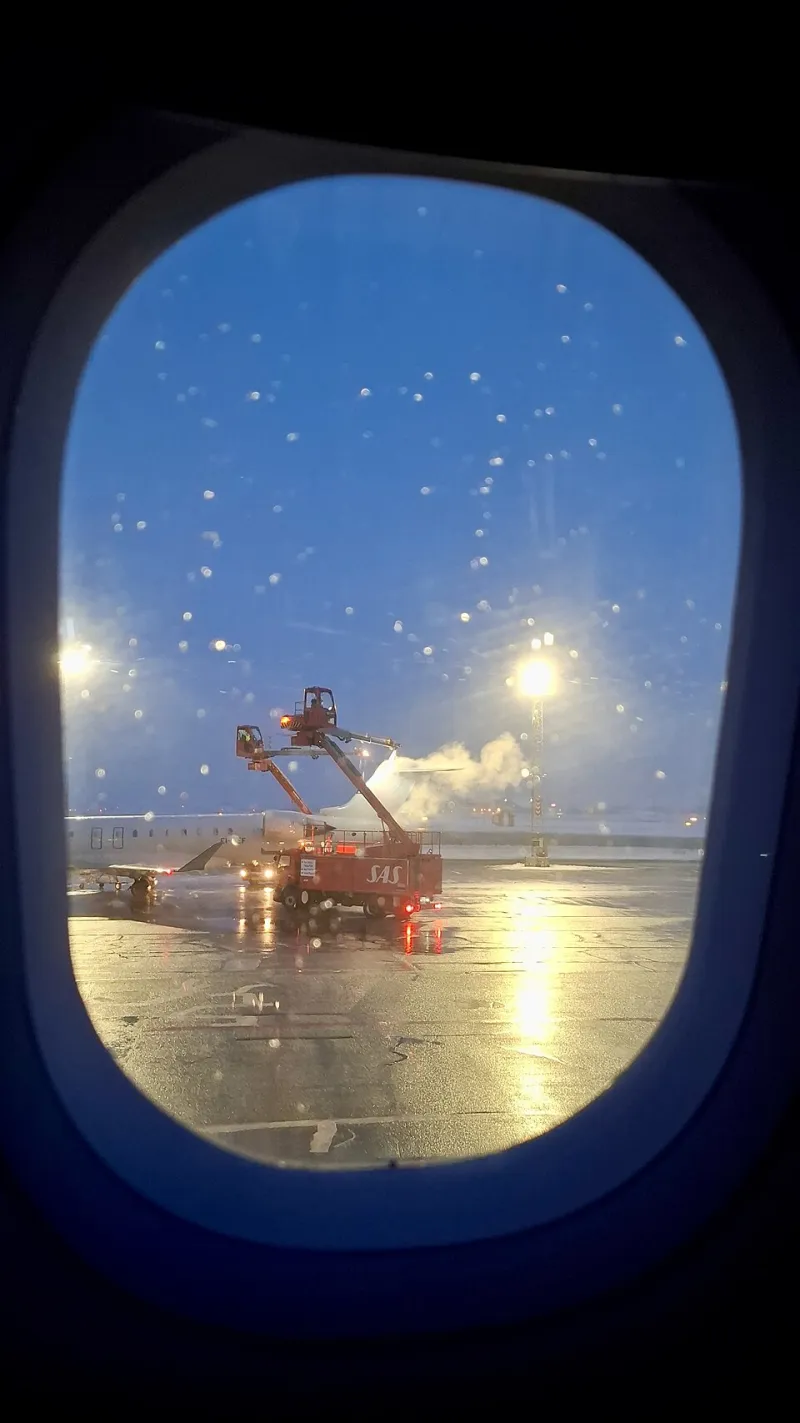
Photo: Ciara Ní Riain, CC BY-SA 4.0, via Wikimedia Commons
A clear afternoon at Denver International flows with a certain predictable logic. Aircraft arrive, ground crews converge, jetways extend, and the sequence of events between block-in and pushback unfolds on a schedule that experienced simmers can anticipate almost to the minute. Now drop the temperature to eighteen degrees Fahrenheit, add a layer of freezing drizzle to every horizontal surface, and watch that logic dissolve.
Winter operations represent the most demanding operational environment in commercial aviation ground handling, and they are also among the most poorly represented scenarios in flight simulation. Most gate-focused simmers have optimized their procedures for benign conditions. This guide corrects that gap by walking through the full chain of winter ramp complexity—from the moment a cold-weather ATIS transmission changes your planning assumptions to the moment your aircraft clears the deicing pad and climbs into a gray winter sky.
Understanding the Winter Ramp Environment
Before modifying any procedure, it is worth understanding what physically changes on a winter ramp. The answer is: nearly everything.
Tarmac surfaces that drain efficiently in summer become sheets of compacted snow or black ice beneath the weight of aircraft and ground service equipment. Jet blast from adjacent departures, which is a nuisance in summer, becomes a hazard in winter by redistributing ice crystals and snow onto recently cleared surfaces. Ground crew movement slows considerably—not through any lack of professionalism, but because the physics of movement on frozen ground demand greater care. Service vehicle traction is reduced, communication is complicated by wind and heavy clothing, and the compressed turnaround windows that define hub operations become significantly harder to honor.
For simmers building authentic winter sessions, the foundational shift is one of expectation. The twenty-five-minute turn that defines a tight domestic operation at Chicago Midway in July becomes a forty-minute operation in January, and that is before accounting for any deicing requirement.
Deicing Pad Routing and Holdover Time
At major US hubs operating under significant winter weather, aircraft do not deice at the gate. They deice at dedicated pads—centralized facilities where specialized vehicles can apply Type I, II, or IV fluid efficiently and where the runoff can be collected and managed. Understanding the routing implications of this single procedural fact transforms how a simmer should plan a winter departure.
At airports such as Minneapolis-Saint Paul International or Denver International, the deicing pad may be positioned between the gate area and the runway threshold. This adds a discrete taxi segment—with its own clearance, its own hold-short requirements, and its own timing—to every winter departure. Simmers who plan their fuel loads and pushback timing without accounting for this additional segment will find themselves either holding short of the pad with an engine time constraint approaching or arriving at the runway threshold with a holdover time that has already expired.
Holdover time is the interval during which deicing fluid remains effective on an aircraft's surfaces under specific precipitation and temperature conditions. It is not a fixed number. It varies based on fluid type, outside air temperature, and precipitation intensity. Real dispatchers and crews consult holdover time tables published by the FAA and the Association of European Airlines. Simmers aiming for genuine procedural fidelity should reference these same tables—they are publicly available and add a layer of decision-making that fundamentally changes the character of a winter departure.
The practical implication: if your holdover time is twenty-two minutes and your taxi-out time from the deicing pad to the runway is estimated at eighteen minutes, you are operating with a four-minute buffer. Any delay—a runway change, a ground stop, a traffic conflict—eliminates that buffer and may require a return to the pad for re-treatment.
Gate Holds and the Ground Stop Cascade
Winter weather at a major hub does not affect only your aircraft. It affects every aircraft at every gate simultaneously. The result is a cascade of gate holds, miles-in-trail restrictions, and ground delay programs that transform the departure sequence from a flowing stream into a stop-and-start negotiation between airlines, ATC, and airport operations.
Simmers who fly into or out of hubs like O'Hare, JFK, or Logan during simulated winter weather should incorporate ground delay program logic into their session planning. This means building sessions where your gate hold duration is not predetermined but is instead drawn from a realistic range—anywhere from fifteen minutes to over an hour—and where your response to that hold shapes subsequent decisions about engine start timing, auxiliary power unit usage, and crew communication.
Engine management during extended winter gate holds deserves particular attention. Running engines at idle in sub-freezing temperatures for extended periods creates its own set of considerations around fuel consumption, oil temperature management, and the risk of ice contamination in inlets. Simmers with access to detailed systems aircraft should monitor these parameters actively during winter holds rather than treating the gate hold as a passive waiting period.
Tug Performance and Pushback Complications
Ground tug performance degrades in cold weather in ways that are rarely modeled in simulation but that carry significant operational weight. Hydraulic systems respond more slowly, battery capacity in electric tugs is reduced, and traction on icy ramp surfaces limits the force a tug can apply without losing grip on the nose gear.
For simmers using pushback add-ons with any degree of configurability, winter operations are an opportunity to introduce deliberate friction and delay into the pushback sequence. A pushback that takes three minutes in summer might realistically require five in freezing conditions, particularly if the ramp surface has not been adequately treated. Building this variability into your session—either through add-on settings or through conscious pacing of your pushback calls—produces a more honest representation of the winter ramp environment.
Wingwalkers and ground crew positioning also changes in winter. Reduced visibility, bulkier clothing, and icy surfaces mean that ground crew maintain greater margins from aircraft surfaces and move more deliberately between positions. Simmers monitoring ground crew animations during winter sessions should mentally adjust their expectations for crew responsiveness accordingly.
Modifying Your Turnaround Checklist for Winter
A complete winter turnaround procedure differs from its fair-weather counterpart in several specific ways that simmers should incorporate into their standard flows.
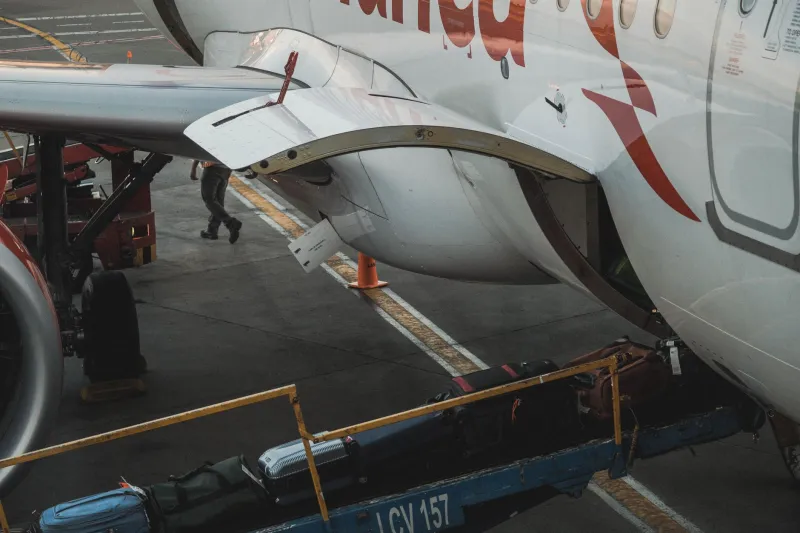
Upon arrival, the gate area itself may require treatment before the jetway can be extended safely. Ramp agents typically apply sand or deicer to the immediate gate surface before positioning equipment. This adds a brief but real delay between block-in and the beginning of the passenger deplaning sequence.
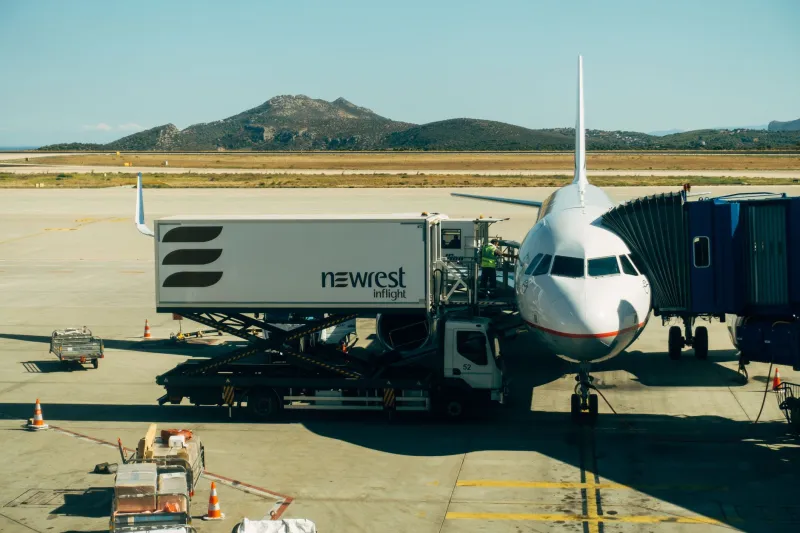
During the turnaround, fueling operations in extreme cold require additional time because cold-soaked fuel systems respond more slowly and fuel density calculations must account for temperature. Catering and cargo loading proceed more carefully on slick surfaces. And the final walk-around inspection—already a critical step—becomes more demanding in winter because ice contamination on control surfaces, sensors, and landing gear components must be specifically assessed.
Before pushback, confirm that all deicing requirements have been communicated to the deicing crew and that your holdover time calculation is current. Confirm with the ground crew that the nose gear area is clear of ice accumulation that could interfere with tug attachment. And ensure that your taxi routing to the deicing pad is confirmed with ground control before releasing the ground crew.
Building Winter Sessions That Train Real Skills
The goal of incorporating winter complexity into your simulation practice is not to make sessions more difficult for its own sake. It is to develop the decision-making flexibility and procedural adaptability that defines genuinely proficient gate operations.
Begin by selecting a winter-capable airport scenery package for a major northern US hub and flying exclusively during simulated winter weather for a sustained period—a week of sessions, at minimum. Document your turnaround times, your holdover time margins, and any moments where a cascading delay forced a procedural decision. Review that documentation after each session.
The frozen ramp will teach you things about gate operations that a clear July afternoon never will. Master it, and your fair-weather proficiency will deepen considerably as a result.